
Ad Creative Testing · AI Marketing · Performance Marketing
AI Ad Creative Testing for Indian Brands: A Framework to Find Winning Ads Faster in 2026
 Aditya Kalpande··8 min read

Why most Indian brands test too few ads to learn anything real
Open the ads manager of a typical Indian D2C or services account and you will usually find three or four creatives running for the entire month, sometimes the same three creatives running for a full quarter. That is not caution, it is a missed opportunity, because Meta and Google both need a real volume of impressions and conversions against each variant before their own learning systems can tell you anything meaningful about which creative is actually working. A test with too few variants and too little spend behind each one produces noise that looks like a signal, and founders end up scaling a creative that simply got lucky for four days rather than one that genuinely resonates.
The fix is not spending more, it is spending the same budget across more deliberate variants. A brand running fifty thousand rupees a month across two creatives learns almost nothing. The same fifty thousand rupees split properly across six tightly scoped hook variants, tested against one offer, teaches you which opening line or visual actually earns attention, and that lesson compounds into every future campaign long after the test itself ends.
The hook decides whether anyone sees the rest of your ad
A viewer decides whether to keep watching a video ad or keep scrolling past a static post within the first two to three seconds, a window performance marketers call the hook. Everything else in the ad, the offer, the proof, the call to action, only gets seen by the share of people the hook actually stopped. We have watched identical ads with different opening lines or opening frames produce click through rates that differ by two times or more, with the rest of the creative completely unchanged, which tells you how much of a campaign's performance is decided before the viewer even reaches the offer.
Test hooks before you test anything else. Write six to eight distinct opening lines or opening frames for the same core offer, a bold claim, a specific number, a direct question, a relatable complaint, and run them against each other first at a modest budget. Only once a hook clearly wins should you spend real budget producing a fully finished version of that creative, since polishing a hook that never earned attention in the first place wastes production budget on a problem the hook itself caused.
A testing matrix that keeps results honest
The single biggest mistake in creative testing is changing three things at once, a new hook, a new visual style and a new offer in the same ad, and then trying to work out afterward which change actually drove the result. Isolate one variable per test round, hold the offer and format constant while you test hooks, then hold the winning hook constant while you test visual style, then hold both constant while you test the call to action. It takes longer to set up than throwing five completely different ads into one test, but it is the only way to actually learn something you can reuse on the next campaign.
Name every creative variant with a consistent code before it goes live, hook number, visual version and offer version in the file name itself, so three weeks later when a variant is winning you can tell exactly which single change produced the lift instead of guessing from memory. This sounds like a small administrative habit, it is actually the difference between a testing program that compounds knowledge and one that just produces a pile of old ad files nobody can learn from again.
Where generative AI actually speeds up the cycle
Generative tools now produce a first draft of six or eight hook variations, alternate headlines or a rough storyboard for a video concept in minutes instead of the half a day a creative team used to spend brainstorming the same list by hand. That speed is real and worth using. What it does not replace is a human editor deciding which of those drafts is actually worth producing properly, and refining the two or three with real promise into something that sounds like your brand rather than a generic prompt answered quickly.
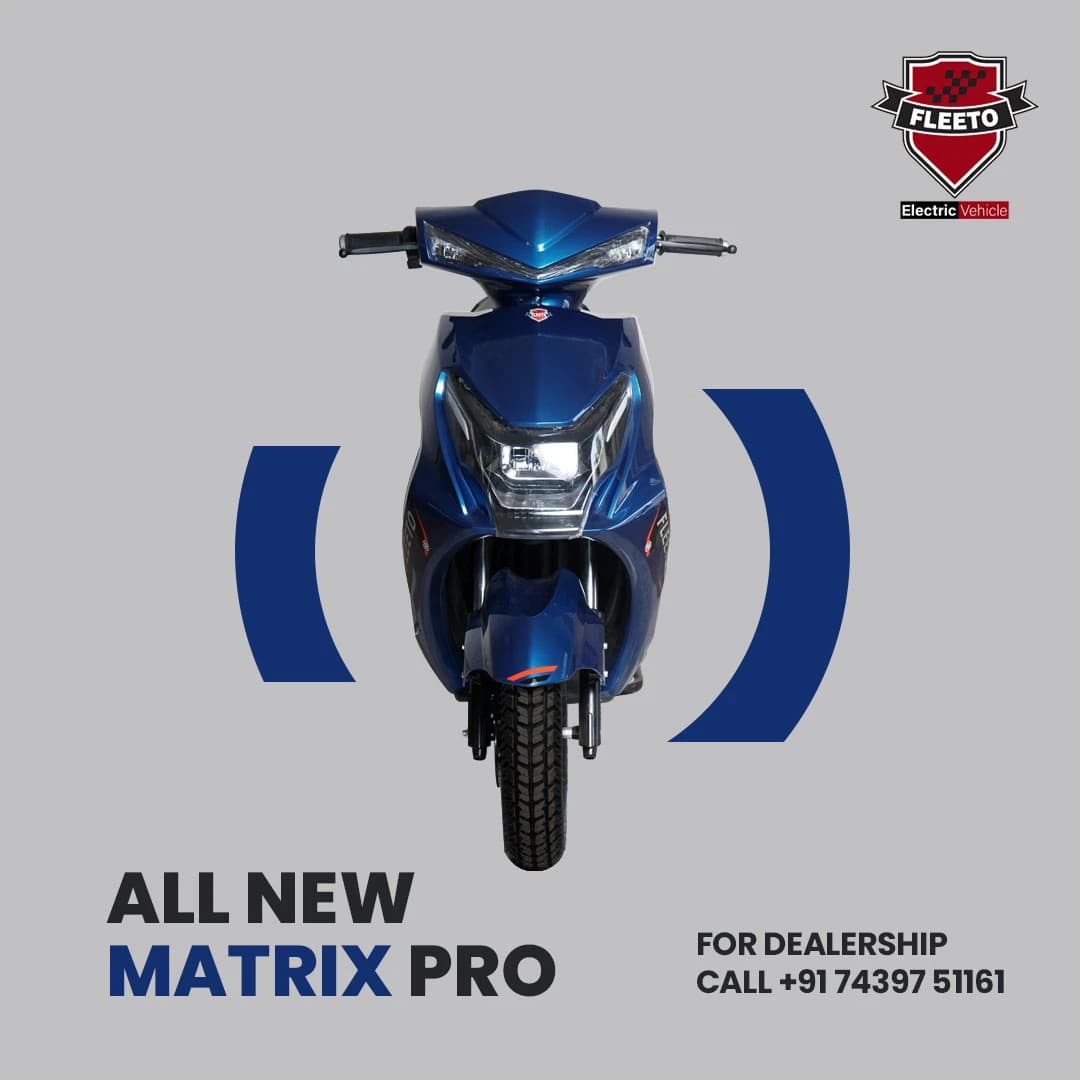
We run exactly this workflow behind the ad engine for AIBOOTSTRAPPER in our own case study gallery, generating a wide spread of hook and angle variants cheaply, testing them at low spend, and only committing real production budget to the handful that prove themselves with actual click through and conversion data. The same approach carried into an automobile client's launch creative, where testing a wider spread of angles at low cost before committing to a hero video cut wasted production spend on concepts that the data later showed buyers simply did not respond to.
Reading creative fatigue before it quietly drains your budget
Every ad eventually wears out, and the warning sign shows up in frequency, the average number of times a single person has seen your ad, well before cost per result visibly rises. Once frequency on a given ad set climbs past roughly three to four within a one week window, click through rate typically starts declining even if the audience itself has not changed, because the same people are simply seeing the same creative too many times. At meaningful spend levels, fifteen lakh rupees a month or more, this fatigue cycle can arrive within ten to fourteen days, which means a creative pipeline that only ships one new ad a month is structurally too slow for the budget it is spending.
The practical fix is building a refresh calendar around spend level rather than waiting for performance to visibly drop. At modest spend, refreshing core creative every three to four weeks is usually enough. Once an account is spending significantly more, shipping six to eight new variants a month keeps the algorithm fed with fresh options before fatigue sets in rather than reacting to it after cost per result has already climbed.
The numbers that tell you a test actually won, not just looked good for a day
A single good day proves nothing, a creative can spike for twenty four hours purely on auction luck. Judge a test only after it has run long enough to clear a meaningful volume threshold, roughly fifty conversion events for a lead generation account or several hundred clicks for a pure awareness test, and look at the trend across five to seven days rather than any single day's number. A variant that stays ahead across that full window, not just on its best day, is the one worth scaling.
Watch cost per result and click through rate together, not in isolation. A creative with a high click through rate but a weak cost per result is attracting attention without the right intent behind it, which usually means the hook promised something the offer did not actually deliver. That mismatch is a creative problem worth fixing before you scale spend behind it, not a targeting problem to solve by changing the audience.
Where B2Brands fits in
We build this exact testing discipline into every performance account we run, isolate one variable at a time, use AI to widen the pool of variants cheaply, and commit real production budget only once the data actually earns it, the same approach behind our social campaign systems and the ad engine we run for AIBOOTSTRAPPER in the case study gallery. If your account is currently running the same handful of creatives month after month and you want an honest read on whether your testing structure is actually teaching your account anything, our free AI marketing audit is a good place to start.
See this approach applied in our own work

Aditya Kalpande
Founder and CEO, B2Brands
Aditya has spent over eight years building brand identities, websites and performance marketing systems for founders across India, and now leads B2Brands' AI first approach to growth marketing.
Ready to put this into practice?