
Fashion Marketing · Jewellery Marketing · D2C · WhatsApp Automation
Digital Marketing for Fashion and Jewellery Brands in India: A Playbook for Festive and Wedding Season Sales
 Aditya Kalpande··8 min read
Why fashion and jewellery marketing runs on a festive calendar, not a monthly one
In most categories, marketing spend gets planned as a steady monthly rhythm. Fashion and jewellery brands in India do not get that luxury. Diwali, the wedding season that runs roughly from October through February, Raksha Bandhan, and regional festivals such as Onam and Durga Puja each create a short, intense window where a huge share of annual revenue gets decided in six to eight weeks. A brand that treats every month the same wastes its best opportunities and starves its slow months of the same effort a festive week deserves.
The practical implication is that your marketing calendar needs to be built backward from these dates, not forward from January. Creative shoots, influencer bookings and ad budgets should be locked eight to ten weeks before a festive peak, because photographers, models and strong influencers get booked out fast once every brand starts competing for the same wedding season slots every September.
Instagram and Reels are the storefront before the storefront
For most Indian shoppers browsing fashion and jewellery, Instagram is not a channel that supports the website, it is often the first and sometimes only touchpoint before a purchase decision. A product that looks flat in a grid post loses to a competitor whose Reel shows the same piece moving, catching light and worn by a real person in a real setting. We have seen fashion clients lift click through rate by more than forty percent simply by reshooting static catalogue images as short motion clips of the same product.
The format that works consistently across fashion and jewellery accounts right now follows the same three shot pattern, a close detail shot that shows craftsmanship or fabric texture, a worn or styled shot that shows scale and fit, and a price or offer overlay near the end that removes the need to message and ask. Skipping any one of those three shots measurably increases the number of price inquiry messages your team has to answer by hand, which slows down your response time to genuinely interested buyers.
Catalogue photography is a conversion lever, not a design expense
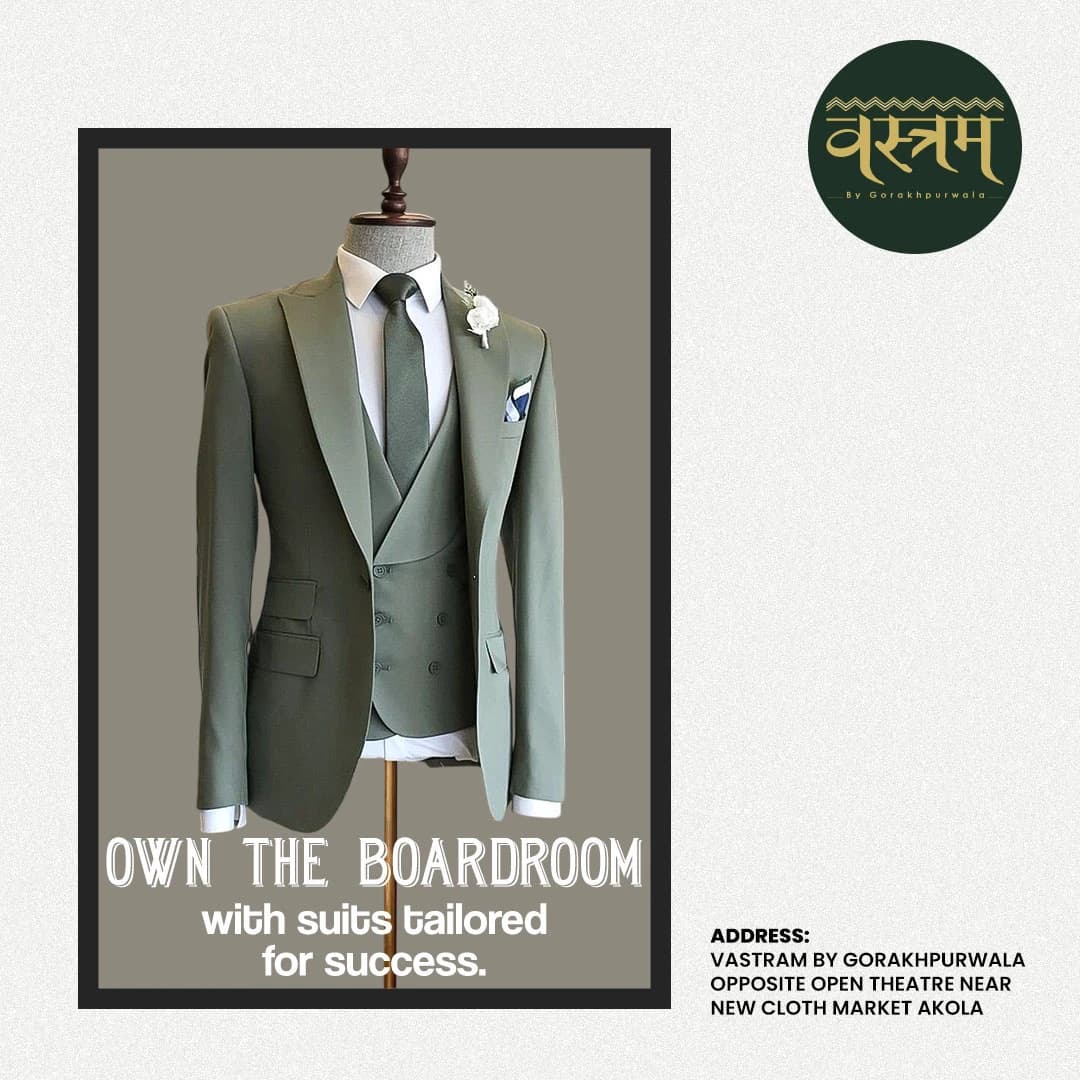
Jewellery in particular lives or dies on photography quality, because the buyer cannot touch the piece before deciding to add it to cart or message a store. Poor lighting on a gold or diamond piece makes it look cheap regardless of actual value, and that single mistake quietly caps conversion rate that no amount of ad spend can fix. Our own jewellery catalogue and fashion lookbook work, visible in our case study gallery, follows a strict lighting and styling standard specifically because we have watched underlit product photography suppress conversion on otherwise well targeted campaigns.
The fix is not always a bigger budget, it is a consistent standard. Every product photographed against the same background, at the same angle, under the same lighting setup, so your catalogue reads as one considered collection instead of a patchwork of shoots done at different times with different equipment.
WhatsApp commerce closes what your ads alone cannot
A meaningful share of fashion and jewellery buyers in India still want to ask a question before they pay, size availability, exact stone weight, return policy, or whether a piece can be customized. If that question sits unanswered in your inbox for six hours, you have likely lost the sale to a competitor who replied in six minutes. An AI agent that answers common questions instantly, shares the right catalogue images automatically and only escalates genuinely complex requests to a human, routinely improves response time from hours to seconds and lifts conversion on inquiries that would otherwise go cold.
This is the same WhatsApp automation logic we build for real estate and services clients, applied to commerce, qualify the intent, answer what can be answered instantly, and route only the pieces that genuinely need a human.
Run AI assisted creative testing before, not during, your festive peak
The worst time to discover your ad creative is not working is the week of Diwali, when every competitor is also bidding and cost per click spikes across the board. Run a compressed two to three week testing sprint in the weeks before your festive window, testing five to six distinct creative angles at modest spend, and let performance data pick the winners before you commit your real budget. AI assisted bid and audience optimization inside Meta and Google now handles most of the minute by minute adjustment, which frees your team to focus on which creative angle and offer actually resonates.
Track cost per add to cart during the testing phase, not just cost per click, since a cheap click that never adds to cart is not a signal worth scaling.
The three numbers that matter more than followers and reach
Track cost per qualified inquiry, WhatsApp or DM response time, and repeat purchase rate within ninety days. Follower count and reach look good in a monthly report and tell you almost nothing about revenue. A jewellery or fashion brand with forty thousand followers and a six hour WhatsApp response time will consistently lose sales to a smaller account that replies in two minutes with the right product.
Where B2Brands fits in
We work with fashion and jewellery brands on the full stack this category actually needs, catalogue and lookbook photography, festive season campaign planning, AI assisted creative testing and WhatsApp commerce automation, under one team instead of three disconnected vendors. If your next festive or wedding season window is coming up and you want an honest read on whether your creative, ads and WhatsApp response time are ready for it, our free AI marketing audit is a good place to start.
See this approach applied in our own work

Aditya Kalpande
Founder and CEO, B2Brands
Aditya has spent over eight years building brand identities, websites and performance marketing systems for founders across India, and now leads B2Brands' AI first approach to growth marketing.
Ready to put this into practice?