
FMCG Marketing · Quick Commerce · D2C · GEO
Digital Marketing for FMCG and Packaged Food Brands in India: A Quick Commerce Era Playbook
 Aditya Kalpande··8 min read
Why FMCG and packaged food marketing in India now runs through quick commerce before anything else
A shopper deciding between two packets of namkeen or two bottles of cold pressed juice used to make that decision standing in front of a kirana shelf. In 2026 a meaningful share of that decision now happens inside Blinkit, Zepto or Swiggy Instamart, scrolling a search result page for under ten seconds before adding one pack to cart and moving on. Quick commerce in India has grown into a multi billion dollar annualized order value channel, and for most urban FMCG and packaged food brands it is already a larger revenue source than their own website, sometimes larger than general trade in the cities where it operates.
That changes where marketing budget should go first. A brand that spends its entire quarter on Instagram reels while its listing on Blinkit shows a blurry pack image, two old reviews and an out of stock badge half the week is losing sales it never even sees as lost, because quick commerce apps simply stop surfacing a product that keeps going out of stock or converting poorly in search. Winning the quick commerce shelf is now a marketing discipline in its own right, not an operations afterthought handed to whoever manages inventory.
Your pack shot is doing the selling that a shelf label used to do
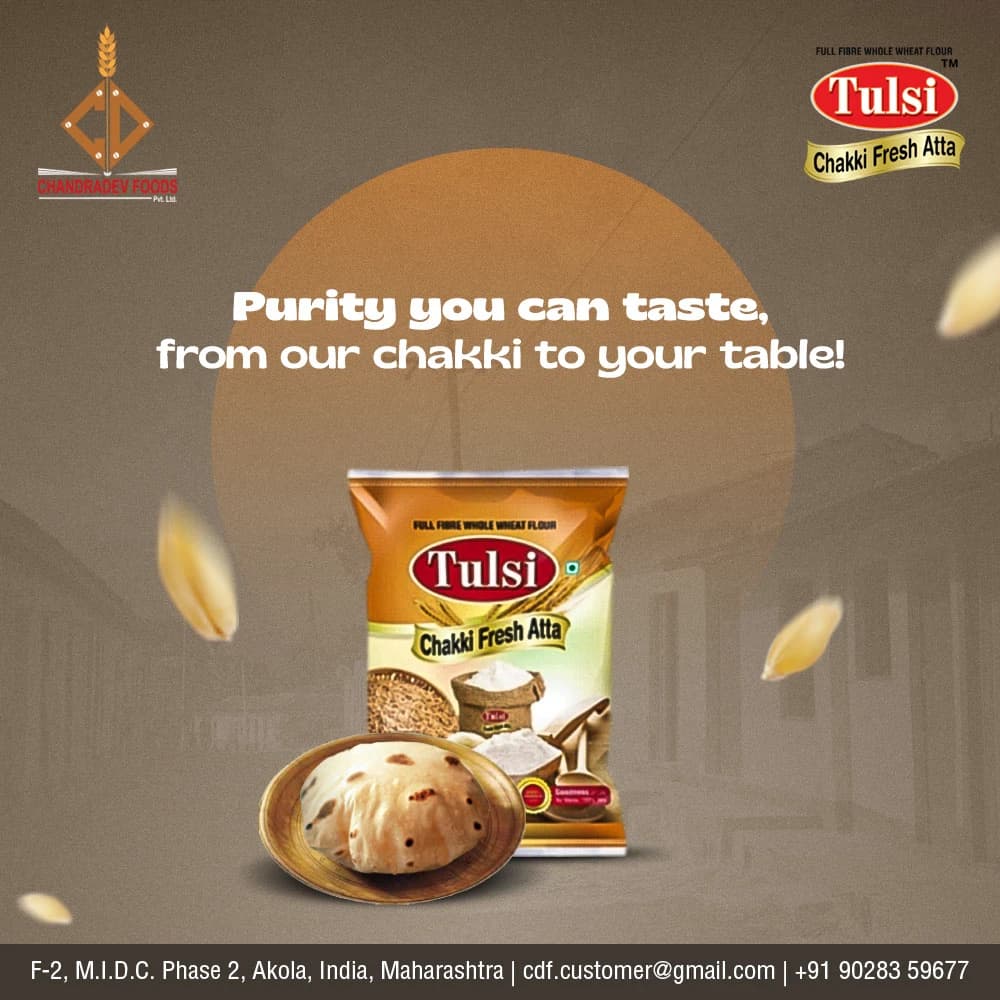
On a quick commerce app a shopper sees your product as a two inch square image, a title, a star rating and a price, for roughly two seconds before deciding to tap or scroll past. That image has to communicate flavour, quantity and the one differentiator that matters, baked not fried, no added sugar, family pack, in a single glance. We have watched identical products with a sharper, brighter pack shot and a clearer quantity callout pull a measurably higher click through rate purely from the listing image, before a single rupee of ad spend changes hands.
The same discipline carries over to your own website and D2C checkout page. Our product portfolio and packaging catalogue work, visible in our case study gallery, follows a strict rule for exactly this reason, every product photographed with consistent lighting, a clean background and the pack information readable at thumbnail size, because a catalogue that looks inconsistent reads as an unreliable brand even when the product inside the pack is genuinely good.
The repeat purchase math that separates a growing FMCG brand from a stalled one
Most FMCG founders obsess over customer acquisition cost and quietly ignore the number that actually decides whether the business compounds, ninety day repeat purchase rate. A snack or beverage brand acquiring customers at four hundred rupees but seeing only fifteen percent of them buy again within three months is building a leaky bucket that no amount of new customer spend will fix. A repeat rate above thirty five to forty percent in this category usually means the product and packaging are genuinely working, and that is the point where scaling paid spend actually pays back.
AI assisted audience modeling now makes it realistic to build lookalike audiences from your actual ninety day repeaters rather than from everyone who bought once, a meaningfully different, higher quality seed audience than most FMCG brands use today. Pair that with a subscribe and save or auto reorder nudge sent in the exact week a customer's pack is likely running low, and you convert a chunk of that repeat behaviour from hopeful to scheduled.
Reviews and ratings on quick commerce apps are the new shelf conversation
A shopper scrolling Blinkit or Zepto search results filters hard on star rating before anything else, a four point two rating with three hundred reviews beats a four point six rating with eleven reviews almost every time, because volume signals the rating is trustworthy. Brands that treat quick commerce reviews the way they treat Google reviews for a clinic or a restaurant, responding to complaints quickly and nudging happy repeat customers to leave one, build a compounding advantage competitors cannot buy with ad spend alone.
This is the same WhatsApp response discipline we build for services clients into a lead qualification flow, applied here to post purchase follow up instead of pre purchase enquiry, a simple automated WhatsApp message two days after delivery asking for a quick rating captures reviews while the experience is still fresh, instead of hoping a satisfied customer remembers to leave one unprompted weeks later.
GEO matters here because shoppers now ask AI assistants what to buy, not just where
A growing number of health conscious Indian shoppers now type a direct question into ChatGPT or Perplexity before adding anything to cart, is this brand of millet chips actually low in sodium, which protein bar brand in India has the cleanest ingredient list, is this juice brand actually cold pressed or just labeled that way. If your ingredient list, nutrition panel and sourcing claims are not stated plainly and specifically on your website and product pages, an AI assistant simply has nothing concrete of yours to cite, and it will quote a competitor's page instead.
The fix mirrors the generative engine optimization work we build into every website engagement now, state the exact sodium content, the exact sourcing claim, the exact certification, in plain sentences near the top of each product page rather than burying it inside a downloadable PDF nobody opens. A packaged food brand that states real numbers earns citations that a brand saying only proudly made with love simply cannot.
The three numbers an FMCG marketing report should lead with
Ignore reach and follower count in this category, they tell you nothing about repeat sales. Track ninety day repeat purchase rate, in stock rate across your top quick commerce listings, and blended cost per repeat customer rather than cost per first order. A brand with a slightly higher acquisition cost but a strong repeat rate will consistently out earn a brand buying cheaper first orders that never come back.
Where B2Brands fits in
We work with D2C FMCG and packaged food founders on the stack this category actually needs, pack photography and catalogue work that converts on a two inch thumbnail, performance campaigns measured on repeat customers rather than first orders, WhatsApp review and reorder automation, and product pages written to earn AI citations instead of just search rankings. Our packaging and product portfolio work, visible in our case study gallery, and the same performance discipline behind our social campaign systems, both feed directly into how we approach a quick commerce listing and a D2C checkout page together rather than as separate projects.
If you want an honest read on whether your quick commerce listings, repeat purchase funnel and product pages are actually working as hard as your packaging design, our free AI marketing audit is a good place to start.
See this approach applied in our own work


Aditya Kalpande
Founder and CEO, B2Brands
Aditya has spent over eight years building brand identities, websites and performance marketing systems for founders across India, and now leads B2Brands' AI first approach to growth marketing.
Ready to put this into practice?